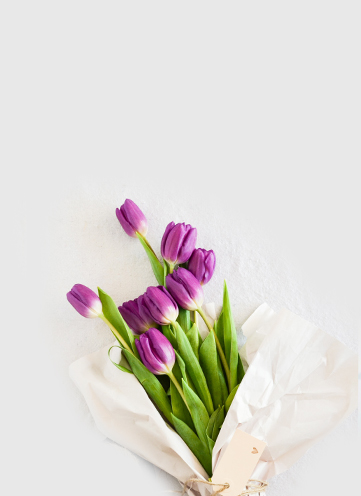
Wedding flower booking timeline for Westcombe Park couples
Posted on 21/10/2026
Planning a wedding in Westcombe Park has a lovely kind of pressure to it: you want the day to feel effortless, but behind the scenes there are a dozen moving parts that need to land at exactly the right time. Flowers are one of the biggest of those. The Wedding flower booking timeline for Westcombe Park couples is less about being fussy and more about avoiding last-minute panic, missed seasonal blooms, and awkward diary clashes with your florist.
Truth be told, wedding flowers are often booked later than they should be. Then the couple realises the venue date is close, the favourite flowers are out of season, and the design brief still feels half-baked. This guide walks you through the full timeline in plain English, from the first ideas stage to delivery on the morning itself, with local-minded advice that works well for couples planning in and around SE3.
If you want your bouquet, ceremony flowers, and reception styling to feel calm, coordinated, and properly thought through, you are in the right place.
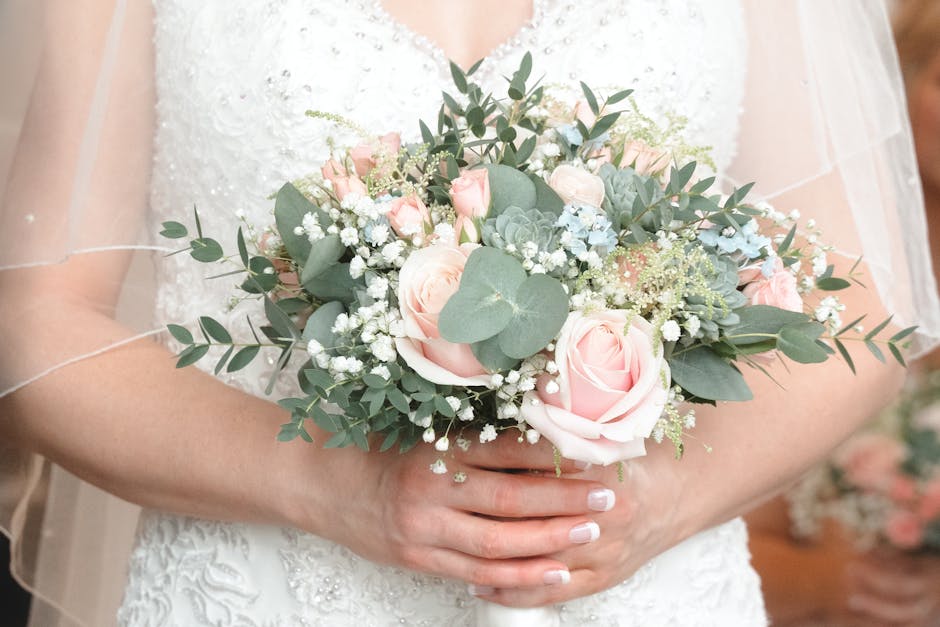
Table of Contents
- Why the booking timeline matters
- How the wedding flower booking process works
- Key benefits and practical advantages
- Who this is for and when it makes sense
- Step-by-step guidance
- Expert tips for better results
- Common mistakes to avoid
- Tools, resources and recommendations
- Law, compliance, standards, or best practice
- Options, methods, or comparison table
- Case study or real-world example
- Practical checklist
- Conclusion
- Frequently asked questions
Why Wedding flower booking timeline for Westcombe Park couples Matters
Wedding flowers are not just a pretty detail. They affect the look of your photos, the atmosphere when guests arrive, and the overall sense that the day has been planned with care. And because flowers are seasonal, perishable, and custom-made, timing matters far more than many couples expect.
For Westcombe Park couples, there is also the local reality of balancing work, commuting, venue visits, family schedules, and supplier availability. If your wedding is in London, the diary fills fast. A florist may be able to make something beautiful at short notice, but short notice usually means fewer choices and more stress. Nobody wants to be making bouquet decisions on a packed train home, let's face it.
The booking timeline matters because it gives you three things:
- time to choose blooms that suit your season and budget
- time to refine your style without rushing
- time for your florist to source, prepare, and reserve what you need
It also helps prevent a common problem: couples assuming flowers can be sorted "later" because they seem less urgent than catering or attire. Flowers can be flexible, yes, but they are still a live product with supplier lead times. In a busy week, that difference matters.
Expert summary: For most weddings, the smartest approach is to start floral conversations early, confirm the design once the venue details are settled, and leave enough room for seasonal substitutions if needed. That is the calmest route, and usually the prettiest too.
How Wedding flower booking timeline for Westcombe Park couples Works
The wedding flower process usually moves through a few clear stages. The exact timing varies by florist, season, and complexity, but the flow is broadly the same.
1. Inspiration and rough budgeting
This is the stage where you save images, notice colours you love, and begin to understand the feel of your wedding. Romantic and loose? Structured and classic? Bright and modern? You do not need a finished plan yet. You just need a direction.
At this point, it helps to think about the whole floral picture rather than individual items. For example, a bridal bouquet, bridesmaid bouquets, buttonholes, ceremony flowers, and table arrangements should all feel like one family, not five different weddings stitched together.
2. Initial enquiry and availability check
Once you have a date, venue, and broad style, you can enquire with a florist. The first question is always simple: are they available on your wedding date? If the answer is yes, you can move on to design, scale, and budget. If the answer is no, you have saved yourself a future headache.
Florists generally need enough notice to source flowers, plan mechanics, and manage delivery. If your wedding sits in peak summer, around bank holidays, or near Valentine's Day or Mother's Day periods, availability can tighten more quickly than expected.
3. Design consultation and quote
Here you discuss colours, venue layout, seasonal options, and practical details like bouquet size, ceremony space, and table shapes. A good florist will help you translate ideas into something real, and gently steer you away from combinations that look lovely online but behave badly in a warm church or a bright reception room.
This is also where itemised quotes matter. They help you see what is included, what is optional, and where the budget is actually going. Wedding flowers often involve labour as much as blooms, so a quote is never just about stems.
4. Booking and deposit
Once you are happy with the direction, you book. The florist reserves the date, begins planning, and may order or pre-plan specific ingredients if the design needs them. A deposit is common in the wedding trade, and the details should be explained clearly before you commit.
Do not rush this part. If the quote feels vague, ask for clarity. If the timings feel tight, say so. A good supplier would rather have one clear conversation now than three emergency ones later.
5. Final confirmation closer to the date
As the wedding approaches, you finalise guest numbers, table layouts, address details, and any changes to colour or flower choices. This is usually when the florist checks whether a particular bloom is still the best choice or whether a seasonal substitute would give a better result.
And yes, sometimes the flower you fell in love with six months ago is no longer the smartest option. That is normal. The aim is not to force the original idea no matter what; the aim is to get the best-looking version of it on the day.
6. Preparation, delivery, and set-up
In the final days, flowers are conditioned, conditioned again, and prepared for arrangement. On the wedding day, they are delivered and set up according to the plan. Depending on the scope, this may include venue styling, table placement, or personal handover to the bridal party.
If you have ever seen a florist carrying armfuls of stems in the early morning, the smell is unmistakable. Fresh, green, slightly earthy. It is one of those behind-the-scenes moments that reminds you the day is becoming real.
Key Benefits and Practical Advantages
A well-managed flower timeline does more than keep you organised. It improves the actual outcome.
- Better flower choices: you get more flexibility on season, colour, and style.
- Less stress: fewer rushed decisions, fewer panicked messages, fewer surprises.
- More consistent styling: your bouquet, buttonholes, ceremony, and tables feel connected.
- Smarter spending: you can prioritise the florals that matter most to you.
- Better venue fit: flowers are planned around access, timing, and layout rather than squeezed in at the end.
There is also a quieter benefit that people often miss: clarity. When floral decisions are made early, you spend less mental energy wondering if everything will work out. That sounds small, but in wedding planning it is a big deal.
Another practical advantage is that early booking gives your florist room to solve problems before they become problems. If a chosen bloom is unavailable, there is time to adapt. If the ceremony room is darker than expected, the design can be tweaked. If the weather looks warm, mechanics can be chosen to help the flowers hold up better.
Who This Is For and When It Makes Sense
This timeline is for anyone planning a wedding where flowers matter to the overall look and feel. That covers nearly everyone, but the level of urgency changes depending on the type of wedding you are having.
It makes the most sense if you are:
- planning a full wedding with bouquet, ceremony, and reception flowers
- getting married in a popular London season such as spring or summer
- working around venue availability and supplier diaries
- trying to match a specific colour palette or floral style
- balancing wedding planning with work and family life in a busy week
You may need to book sooner if:
- your chosen flowers are seasonal or hard to source
- your wedding is on a high-demand date
- you want a highly personalised design
- you need installation work at the venue
- you are planning multiple floral touchpoints, not just a bouquet
To be fair, some couples only need a simple arrangement and can book later than a large-scale wedding. But once you add more moving parts, the timeline starts to matter much more. A tiny elopement bouquet is one thing; a full ceremony arch and five tables is another beast entirely.
Step-by-Step Guidance
Here is a practical wedding flower timeline you can use as a working guide. It is not a rigid rulebook, just a sensible planning rhythm.
9 to 12 months before the wedding
Start gathering inspiration and deciding what role flowers will play in the day. Do you want them to be the main visual feature, or a supporting detail? This is the time to think about the venue, season, and how much of the budget should go to flowers versus other elements.
If your wedding is at a venue with a distinctive look, this is a good time to note the colours already in the room. Warm wood, patterned wallpaper, pale linens, or lots of natural light can all influence what works best.
6 to 9 months before
Make enquiries, check availability, and discuss your broad ideas with florists. If you find one whose style fits, book them. This is usually a comfortable window for most couples because it balances choice with practicality.
Ask about seasonal options, bouquet size, delivery, set-up, and whether they handle breakdown afterwards. Those small details are the difference between "nice flowers" and "the whole thing felt smooth".
4 to 6 months before
Refine the design. Confirm ceremony flowers, table arrangements, buttonholes, and any extras such as corsages or flower petals. At this stage, many couples also decide whether they want a more classic look or something softer and garden-style.
If you are choosing bridal flowers, this is a sensible moment to think about dress shape and the scale of the bouquet. A large bouquet can overwhelm a petite silhouette; a tiny bouquet can disappear in photos. Balance matters.
6 to 8 weeks before
Finalise guest numbers, table plans, and any delivery details. You may need to update the florist if there are changes to the seating chart or ceremony order. This is also a good time to revisit the flowers in case you want to tweak the palette.
If the wedding is in warm weather, ask your florist how they protect the flowers during transport and display. A bouquet sitting in bright sun at 2 p.m. is a different situation from a cool indoor ceremony at 11 a.m.
1 to 2 weeks before
Confirm timings, access, and contact details. Make sure someone other than you knows where the flowers are going, because on the day itself you will probably be busy wearing a dress, dealing with buttons, or breathing deeply in a side room before walking down the aisle.
This is also when final substitutions may be discussed if certain blooms have moved off the menu. Stay flexible where you can. The best arrangements are often the ones that adapt well.
Wedding day
Check that the florist has the final venue contact and a delivery window that matches your schedule. Keep a small emergency note with names, numbers, and key timings. It is not glamorous, but it helps.
And then, enjoy the moment. The flowers should support the day, not dominate it. If you have done the timeline properly, they will simply be there: beautiful, settled, and exactly where they need to be.
Expert Tips for Better Results
A few small decisions can make a very big difference to the final result.
- Choose your top priorities early. If budget is tight, decide whether you want impact at the ceremony, on the bridal party, or on the tables.
- Be realistic about seasonality. A flower that looks perfect in a mood board may not be the best choice for your month.
- Bring venue photos, not just Pinterest boards. Real pictures of the room help your florist judge scale, light, and space.
- Think in clusters, not isolated items. A wedding reads better when the flowers feel connected from start to finish.
- Keep a little flexibility. Small substitutions often improve longevity and value without changing the overall look.
One useful trick: describe the feeling you want, not only the flower names. "Soft, romantic, and not too fussy" gives a florist much better working material than a list of ten stems with no context. Both is ideal, of course. But feeling matters.
Also, if you are undecided between two styles, ask what will photograph best in your venue. That is not shallow. It is practical. Flowers look different in daylight, shadow, and flash, and a florist with real wedding experience will usually have a good sense of it.
For couples looking for wedding-focused options, it can help to review dedicated ranges such as wedding flowers in Westcombe Park, alongside specific bouquet and arrangement styles like bridal bouquets and table arrangements.
Common Mistakes to Avoid
Most flower problems come down to timing, assumptions, or trying to do too much at once.
Leaving booking too late
This is the biggest one. If you wait until all other wedding plans are complete, you may find the florist you wanted is already booked or the flowers you wanted are no longer practical. Late booking can also reduce your ability to compare options properly.
Choosing flowers without thinking about the season
Some blooms are easier and more affordable at certain times of year. If you ignore that, you may end up paying more for less predictable results. Seasonal flowers are not a limitation; they are often the smart move.
Not sharing venue details
A florist needs to know access times, staircase issues, table dimensions, and whether there is space for on-site set-up. A beautiful plan can become messy very quickly if nobody has checked how the flowers will actually get into the room.
Forgetting about the full picture
A bouquet alone is not the same as a coordinated wedding scheme. Buttonholes, bridesmaid bouquets, centrepieces, and ceremony displays should be planned together, or you may end up with a collection of good ideas that do not quite belong to each other.
Assuming "standard" means simple
Sometimes a simple-looking arrangement takes just as much skill as a large one. Minimal work still needs proportion, balance, and finishing. It looks easy because someone knew what they were doing. That is the trick.
Tools, Resources and Recommendations
You do not need fancy software to plan wedding flowers well. You do need a few practical tools and a decent habit of gathering the right information.
- A shared mood board: useful for colour, shape, and style references.
- Your venue brochure or photos: helps with scale and placement.
- A simple budget split: lets you see where the floral spend will go.
- A wedding schedule draft: important for timing delivery and set-up.
- A supplier contact list: handy when you are juggling more than one person on the day.
For couples who want to compare different flower styles, you can browse practical floral categories such as wedding collections, bridesmaid bouquets, buttonholes, and corsages.
If your planning is still broad and you are exploring general styles, a look through luxury flowers and florist choice options can help you understand what level of finish feels right for your day.
And if you are the kind of person who likes a clean, practical planning process, keep one shared note on your phone with these essentials: wedding date, venue address, ceremony time, florist contact, delivery window, and final guest count. Basic. Brilliant. Slightly boring. Very useful.
Law, Compliance, Standards, or Best Practice
For wedding flowers, there is usually no special legal process you need to worry about as a couple, but there are still sensible best-practice points worth understanding. Good florists work to clear commercial terms, realistic delivery expectations, and safe handling standards for fresh flowers and any display mechanics.
That means you should always be clear on:
- deposit and payment terms
- cancellation and refund policy
- delivery windows and access requirements
- what happens if flower varieties need to change
- who is responsible for set-up and collection, if applicable
If you are getting married at a venue, it is also wise to check any site-specific requirements around arrival time, access routes, and where suppliers can park or unload. London venues can be practical in one room and a bit awkward in the next. That is just life.
From a quality standpoint, the best practice is simple: get the brief in writing, confirm the final plan before the wedding week, and make sure expectations are realistic about seasonality. This protects both sides and keeps the day calmer.
You may also want to look at broader business information such as delivery, payment, and terms and conditions so you know how the process is handled from order to arrival.
Options, Methods, or Comparison Table
Different couples need different booking approaches. Here is a simple comparison that may help you decide how to plan.
| Approach | Best for | Pros | Watch-outs |
|---|---|---|---|
| Early full booking | Large weddings, peak dates, custom designs | More flower choice, better planning, lower stress | Requires more decisions up front |
| Flexible concept booking | Couples who know the style but not every detail | Easier to start, allows seasonal adjustment | Needs good communication later on |
| Late simplified booking | Smaller weddings or quick turnarounds | Fast and straightforward | Limited availability, fewer bespoke options |
If you are unsure which route fits your wedding, think about the scale of the floral work rather than just the ceremony date. A small, intimate day may be booked later with less risk. A full-scale wedding in a busy season? Book earlier. No drama, just common sense.
Case Study or Real-World Example
Here is a realistic example. A Westcombe Park couple plans a late spring wedding with a ceremony, reception, bouquets, buttonholes, and table flowers. They start gathering ideas about ten months out, then make enquiries once the venue and date are confirmed. Nothing fancy, just steady planning.
At first, they want peonies everywhere. Lovely idea. But once they discuss the season and the venue light, the florist explains that a mixed garden-style design will give a fuller look with better reliability and less risk. The couple shifts the budget slightly towards the ceremony flowers and the bridal bouquet, keeps the table arrangements elegant but simple, and uses softer seasonal accents for the rest.
As the day gets closer, they finalise guest counts and check access with the venue. A small tweak is made to one colour because the original shade is proving harder to source in the exact quantity needed. On the day, the flowers arrive on time, the bouquet feels balanced in photos, and the reception tables carry the same mood without stealing the show.
That is the point of a good timeline. Not perfection. Not over-control. Just enough structure that the flowers can do their job beautifully.
Practical Checklist
Use this checklist as you move through the planning stages.
- Have you confirmed your wedding date and venue?
- Do you know your rough floral budget?
- Have you saved 5 to 10 inspiration images?
- Have you chosen your main colour palette?
- Do you know which flowers matter most to you?
- Have you checked florist availability early enough?
- Have you shared venue photos and access details?
- Do you know what is included in the quote?
- Have you discussed seasonality and substitutions?
- Have you confirmed delivery, set-up, and contact details for the day?
One easy habit helps a lot: keep all floral notes in one place. Otherwise you end up with half the brief in an email, a colour idea in a text message, and a bouquet reference somewhere in a screenshot you can't find after lunch. We have all been there.
Conclusion
For Westcombe Park couples, the best Wedding flower booking timeline for Westcombe Park couples is the one that gives you room to breathe. Start early enough to explore styles, book when the date and direction are clear, and leave space for the natural changes that happen as the wedding gets closer.
Good flowers are planned, but they should still feel alive on the day. That is the balance worth aiming for: organised without being rigid, beautiful without being overworked, personal without becoming complicated. If you get the timing right, the rest tends to fall into place more easily than you'd expect.
Get a free quote today and see how much you can save.
Frequently Asked Questions
How far in advance should Westcombe Park couples book wedding flowers?
For most weddings, booking 6 to 9 months ahead is a sensible target, especially if you want a specific florist or are marrying during a busy season. Larger or more detailed floral designs may benefit from even earlier planning.
Can I book wedding flowers later if my wedding is small?
Yes, sometimes you can. A small wedding with just a bouquet and a few extras is more flexible than a full venue installation. Even so, earlier is still safer because availability and seasonal choice can narrow quickly.
What information should I have ready before contacting a florist?
Have your wedding date, venue, ceremony time, rough budget, colour ideas, and a few inspiration images ready. If you already know whether you want bouquets, buttonholes, table arrangements, or ceremony flowers, that helps too.
Do I need to know exactly which flowers I want?
No. In fact, many couples do better when they start with a style or mood rather than a fixed flower list. A florist can then guide you toward seasonal options that suit the time of year and your budget.
How do I avoid overspending on wedding flowers?
Prioritise the elements people will notice most, such as the bridal bouquet or ceremony flowers, and keep other areas simpler. Being open to seasonal substitutions can also help you get a stronger result for your money.
What if my favourite flower is out of season?
Your florist should suggest alternatives that create a similar feeling or look. Sometimes the substitution ends up looking even better in the venue. A seasonal plan is usually more reliable and better value.
Should I book flowers before or after my venue?
Always after your venue and date are confirmed. Flowers depend heavily on timing, access, and space, so the venue details help a florist design something realistic and well-fitted.
Can wedding flowers be delivered to multiple locations?
Often, yes, but it needs to be planned carefully. If the bridal party is getting ready in one place and the ceremony is elsewhere, your florist needs the full route and timing well in advance.
What is the difference between a consultation and a quote?
A consultation is the conversation where you discuss your ideas, venue, and needs. A quote is the written cost estimate based on that brief. Ideally, the quote should reflect what was agreed in the consultation.
Do florists handle set-up at the venue?
Many do, but not all. It depends on the florist and the scale of the wedding. If you need on-site installation or styling, confirm that early so there is no misunderstanding later.
What happens if I change my mind near the wedding date?
Small changes are often possible, but the closer you get to the day, the more limited flexibility becomes. That is why it helps to finalise the big decisions earlier and keep the last-minute changes light.
Is there a best month to book wedding flowers in London?
There is no single best month, but busy periods such as spring and summer usually need earlier booking because wedding demand rises. If your date falls near a major holiday or peak event period, plan ahead a bit more.
Can I use the same florist for wedding and other flower needs?
Yes, and many couples do. Some florists also provide flowers for anniversaries, birthdays, or thank-you gifts, which can be useful if you want a consistent style before or after the wedding day.
If you are still comparing styles, browsing the broader flower delivery in Westcombe Park and local florist pages can also help you understand the wider service options available before you commit.